Stuck in Jail

  • Attorneys
  • Bail Bonds
Home > Marion County Jail, IN > Attorneys

Top Attorneys near Marion County Jail, IN

Shouse & Langlois

9510 E Washington St
Indianapolis, IN 46229

Visit Website

Get the law on your side

(317) 983-5520

The Law Office Of Mellissa Winkler

4259 Shelby St
Indianapolis, IN 46227

Visit Website
(317) 493-5201

Hayes Law Office

Hayes Law Office - Commitment to Justice!

(317) 759-7853

Process Servers, Private Investigators, Polygraphs, Mediations & Notary Public

3111 W Wilshire Blvd
Oklahoma City, OK 73116

Visit Website
(833) 603-9141

Anthony M. Campo Attorney At Law

1101 N Shadeland Ave
Indianapolis, IN 46219

Visit Website
(317) 359-1111

Trapp Law, LLC

1512 N Delaware St
Indianapolis, IN 46202

Visit Website
(317) 423-1823

J Edgar Law Offices PC

Indianapolis, IN 46202
Visit Website

Getting You Back Home

(317) 472-4000

Thomas J Gaunt Attorney at Law

1416 N Pennsylvania St
Indianapolis, IN 46202

Visit Website

Fighting for Freedom and Justice for You!
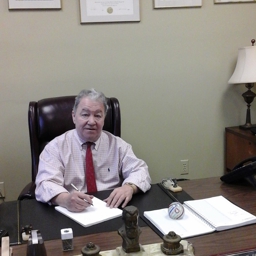
(317) 216-7000

Mitchell Solomon

155 E Market St
Indianapolis, IN 46204

24 Hour Service On All Criminal Cases

(317) 636-8955

Comstock Loren J

(317) 955-8511

Law Offices of Michelle L. Wall

120 E Market St
Indianapolis, IN 46204
(317) 710-4529

Saeed & Little LLP

1512 N Delaware St
Indianapolis, IN 46202

Visit Website

Indianapolis Attorneys

(317) 721-9214

Hollander Eugene

120 E Market St
Indianapolis, IN 46204
(317) 262-8161

Blackburn Law Offices

424 E Wabash St
Indianapolis, IN 46204

Visit Website
(317) 686-7785

Springer Law Group, LLP

2002 E 62nd St
Indianapolis, IN 46220
(317) 731-7544

The Law Office of Jeff Cardella

350 Massachusetts Ave Ste 357
Indianapolis, IN 46204

Visit Website
(317) 695-7700

Flowers Law Practice

Indianapolis, IN 46205
(317) 614-7373

Kirby Terrence Law Office Of

4216 N College Ave
Indianapolis, IN 46205

Visit Website
(317) 923-2777

Harp Andy

8425 Woodfield Crossing Blvd Ste 570 W
Indianapolis, IN 46240

Visit Website

Andy Harp, Attorney To Your Door.

(317) 549-1112

Thomas Martin Law, L.L.C.

Indianapolis, IN 46202
(812) 972-3158

Common Questions

What is a bail hearing?

After a defendant is arrested, a bail hearing is scheduled to determine if the defendant is a flight risk and to set the amount of his or her bail or deny the bail and bonds altogether if the defendant is deemed a flight risk.

How long after an arrest does it take to set bail?

States have laws that specify when a bail hearing must take place after an arrest. For most states, the hearing must be held 48 to 72 hours after the arrest – but weekends and holidays will not count towards this time.

What is a bail bond?

A bail bond is a contractual guarantee, issued by a licensed bail bond agent, between the agent the defendant and the court, that promises the court the full bail payment if the defendant does not show up for his or her scheduled court hearing.

How quickly can a bail bond be issued?

Once defendants have received a bail amount at their bail hearing, and contacted a bail bond service, the bail and bonds are usually accomplished within 24 hours of the bail hearing.

What is the cost of a bail bond?

States set the fee for a bail bond, and in most states, the fee is 10 percent of the total bail. This fee is paid to the bond agent for the bond service, and it is a non-refundable fee.

Are there any alternatives to a bail bond?

Yes. Defendants may pay the full price of the bail, opt for a property bond or try to gain a release through their own recognizance.

What if a defendant cannot afford a bail bond?

Defendants who cannot afford a bail bond can try for a release on their own recognizance, search for a bail bond agent who offers a payment plan, or remain in jail until their court hearing.

What happens if a defendant flees?

If a defendant flees the full amount of the bail is due, the defendant will be charged with costs associated with their recovery and the amount of the bail is forever forfeit even after the defendant is recovered.

What type of collateral can be used for a bail bond?

Almost anything of value can be used as collateral for a bail bond, including retirement or private savings, property, or personal items of value such as jewelry or antique collections that belong to the defendant or to family members or friends who accept responsibility for the collateral.

When does the bail bond end?

The process for bail and bonds ends when defendants appear for their court hearing. Regardless of the outcome of their hearing, as long as they show up, the bonds are terminated.

Helpful Articles

How to Post Bail in Indiana: 5 Things to Know

One of the first questions about posting bail in the state is how long defendants typically wait in jail before getting released. In Indiana, there are two situations in which a defendant will be r...more

Stuck in Jail?

Search Jails for nearby Bail Bondsmen NOW!

  • Copyright ©2023 Thryv, Inc. All rights reserved. · Terms of Use · Privacy Policy · Sitemap